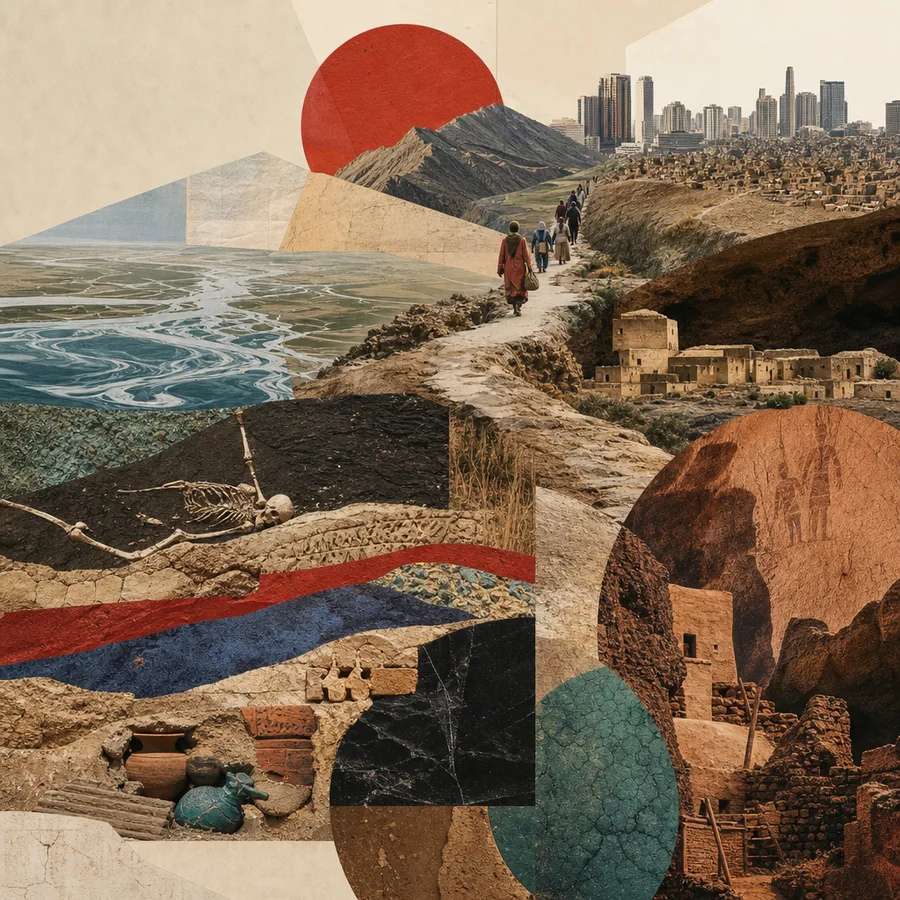
01 / Origins
Territory & origins
Geography, cultural landscapes, archaeology, histories, migrations and the many communities connected with a place.
We approach culture as a connected system of memory, identity, knowledge, creativity, relationships and transmission. The directions below are entrances into that system — not boundaries between isolated fields.
Geography, cultural landscapes, archaeology, histories, migrations and the many communities connected with a place.
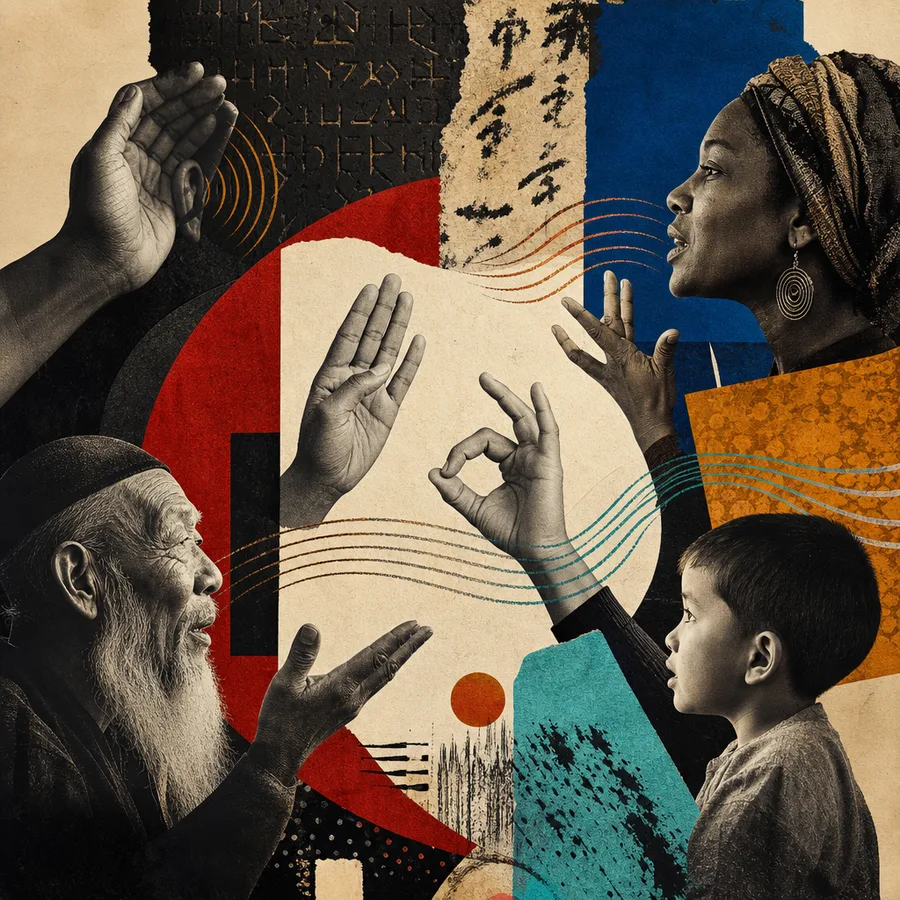
Languages, dialects, writing, oral traditions, naming, humour, etiquette, gesture and the ways people understand one another.
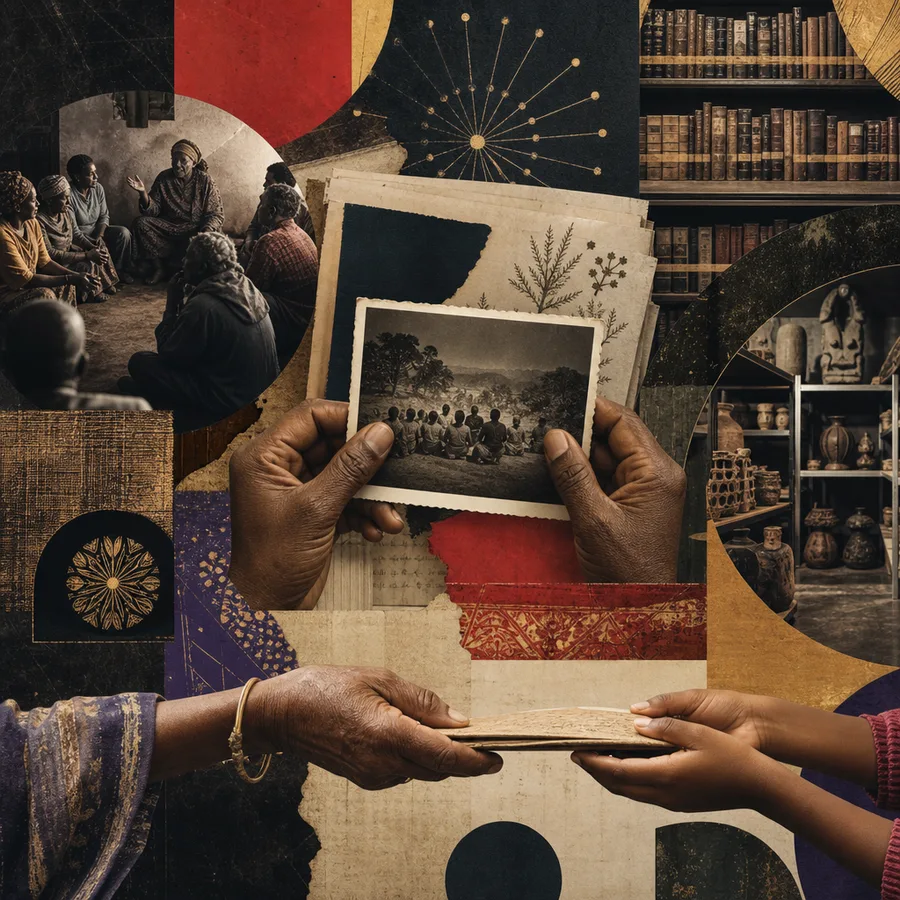
Myth, history, genealogy, archives, libraries, museums, collections and the right to interpret and recover cultural memory.
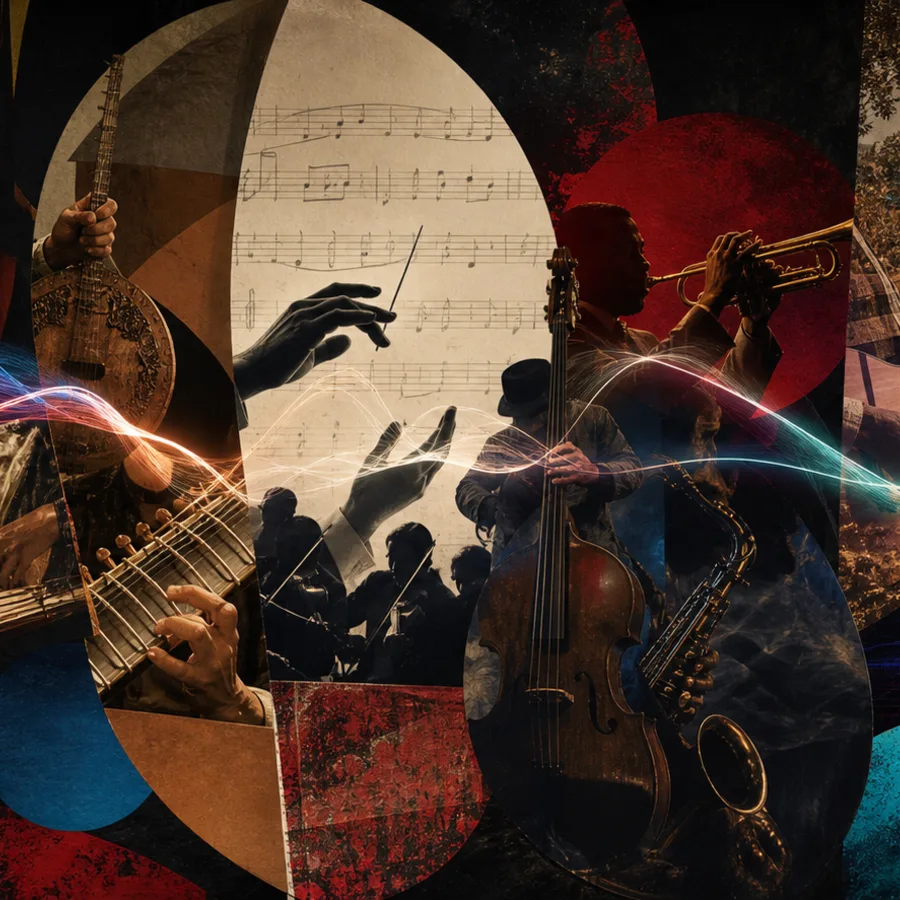
Living musical traditions, songs, instruments, composition, performance, education, recording and changing sound worlds.
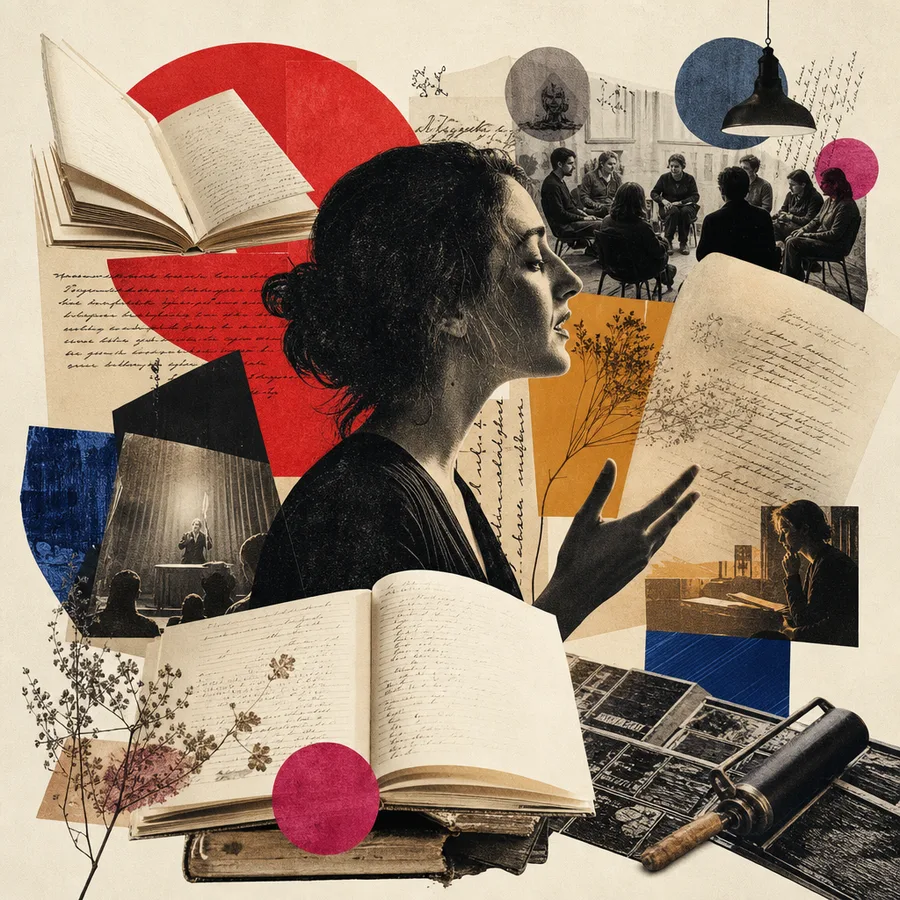
Oral literature, poetry, prose, drama, folklore, translation, publishing and new forms of digital storytelling.
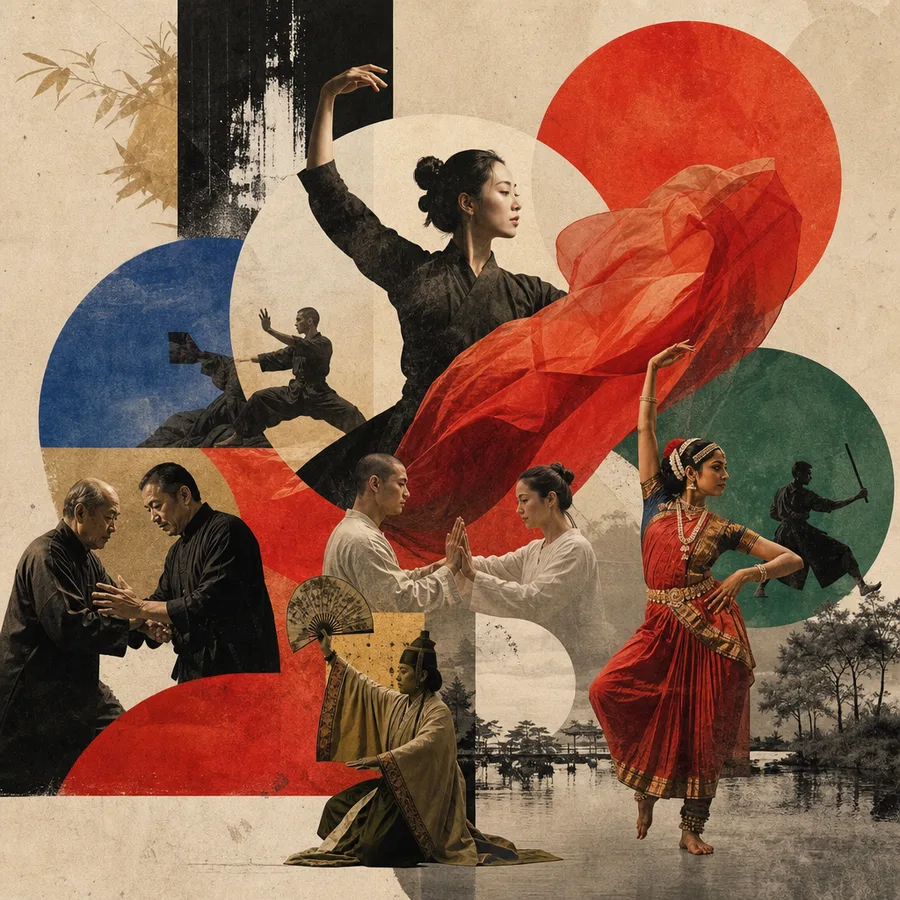
Dance, gesture, physical memory and martial traditions understood through origin, ethics, ritual, community and transmission.
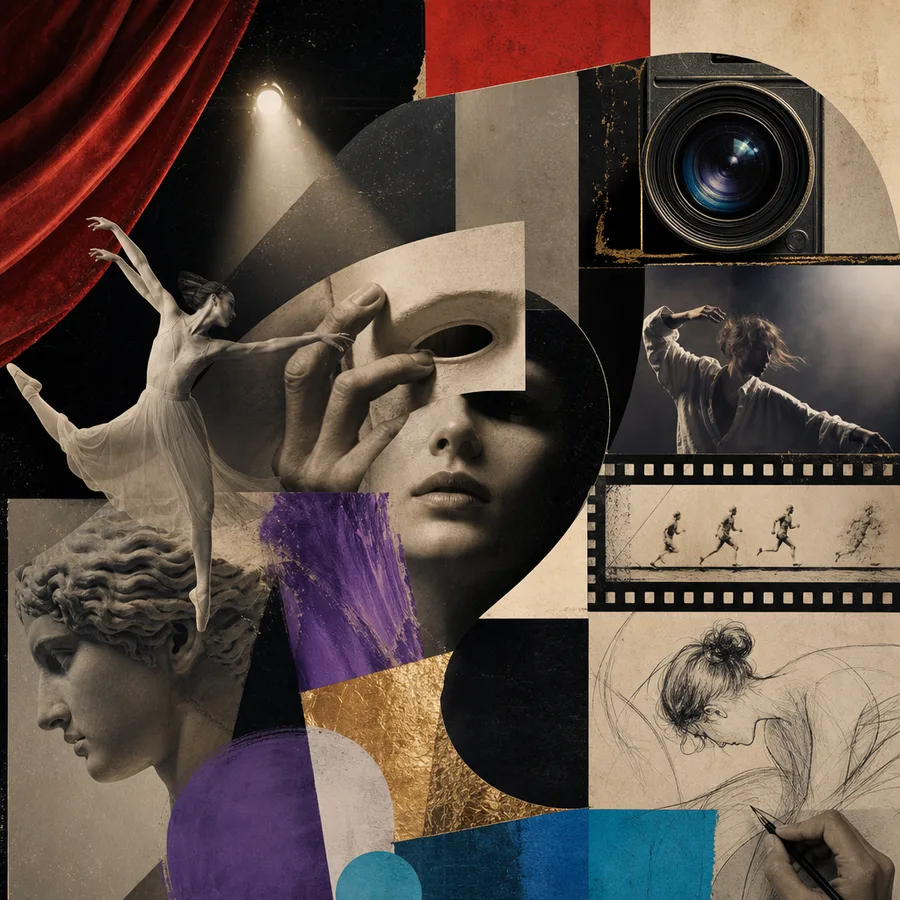
Theatre, performance, visual arts, photography, cinema, animation, masks, puppetry and contemporary image-making.
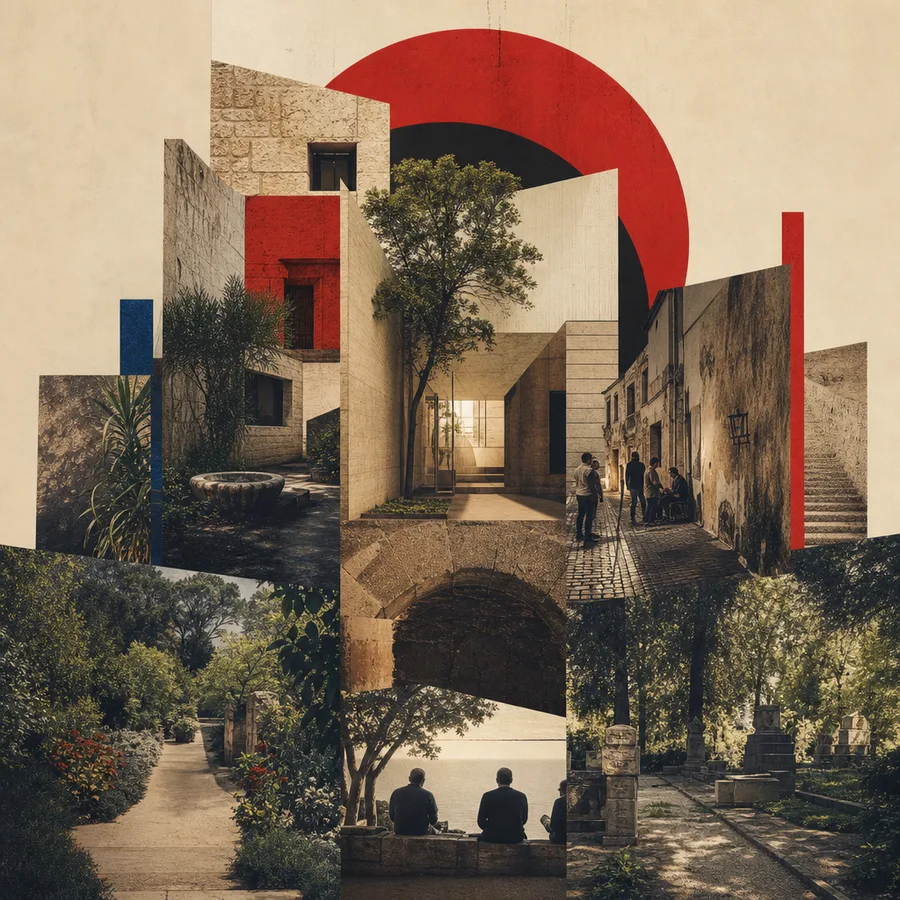
Homes, settlements, cities, sacred places, public space, interiors, gardens and the preservation of cultural landscapes.
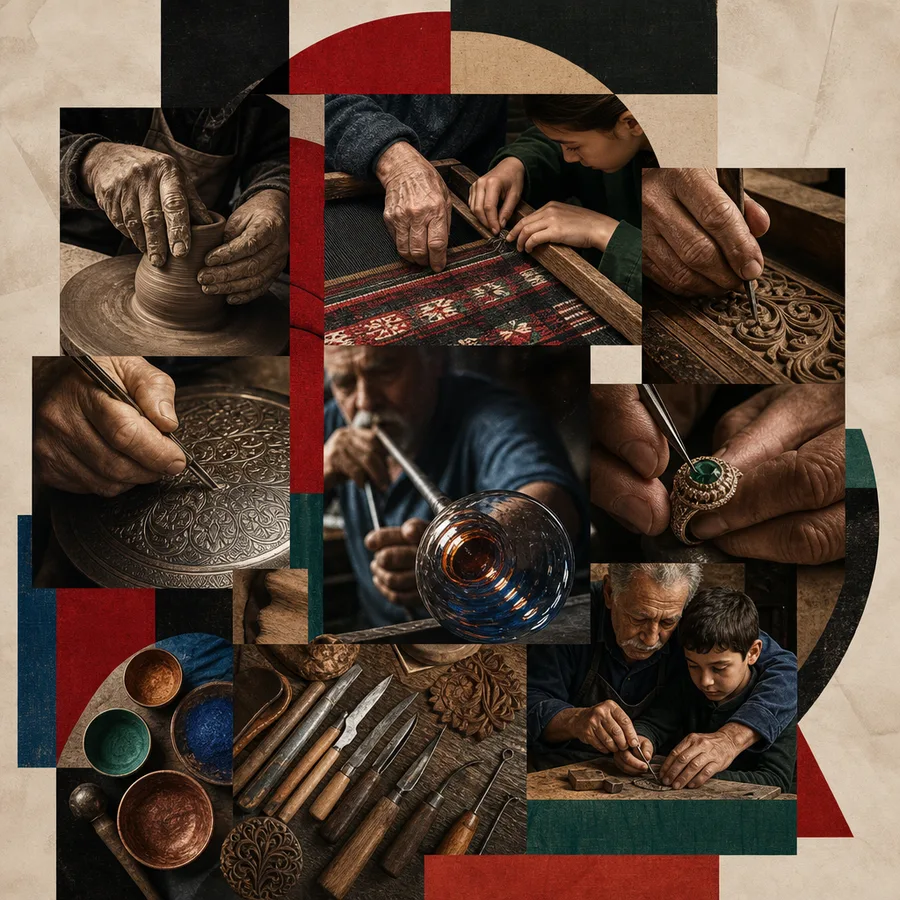
Wood, stone, metal, ceramics, glass, textiles, jewellery, tools, objects, skills, workshops and lines of making.
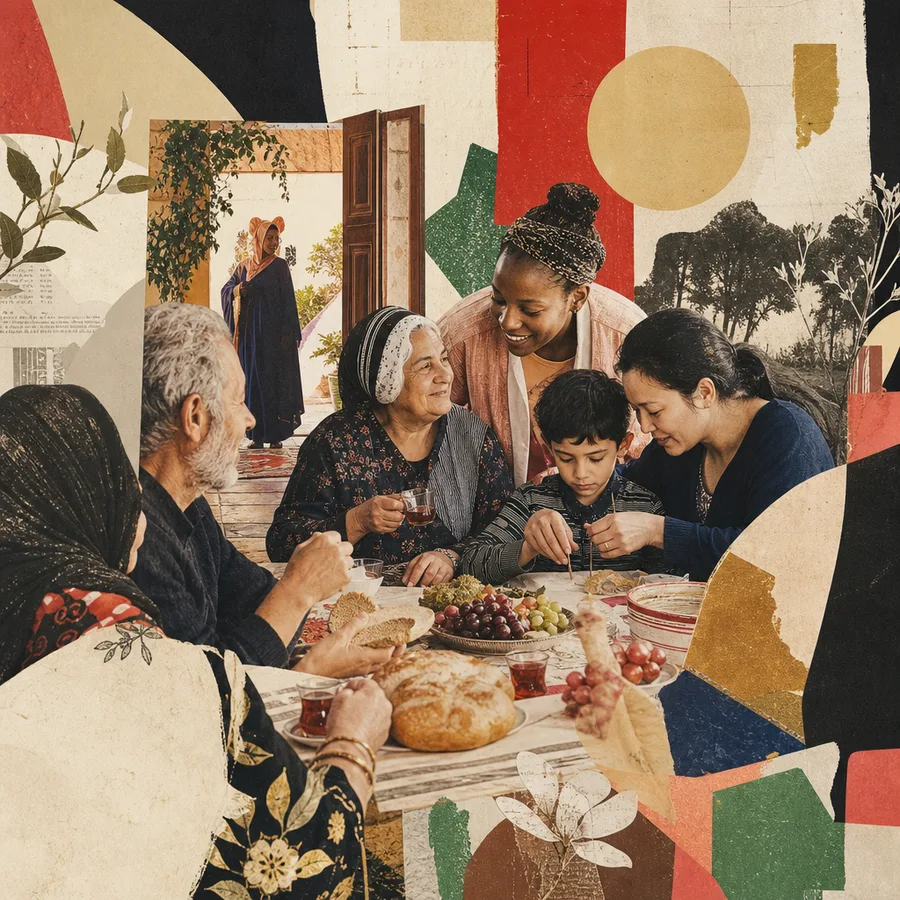
Kinship, childhood, education, everyday relations, clothing, foodways, hospitality, celebrations and life transitions.
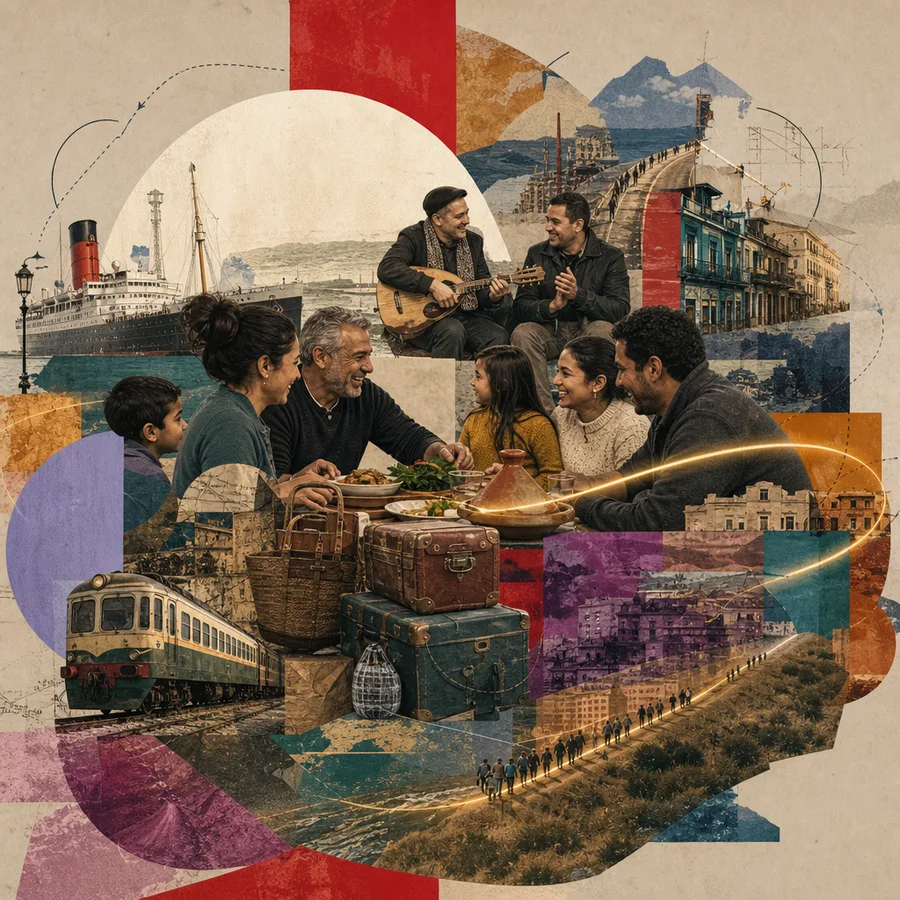
Diasporas, border cultures, mixed languages and families, cultural routes, adaptation, dialogue and respectful travel.
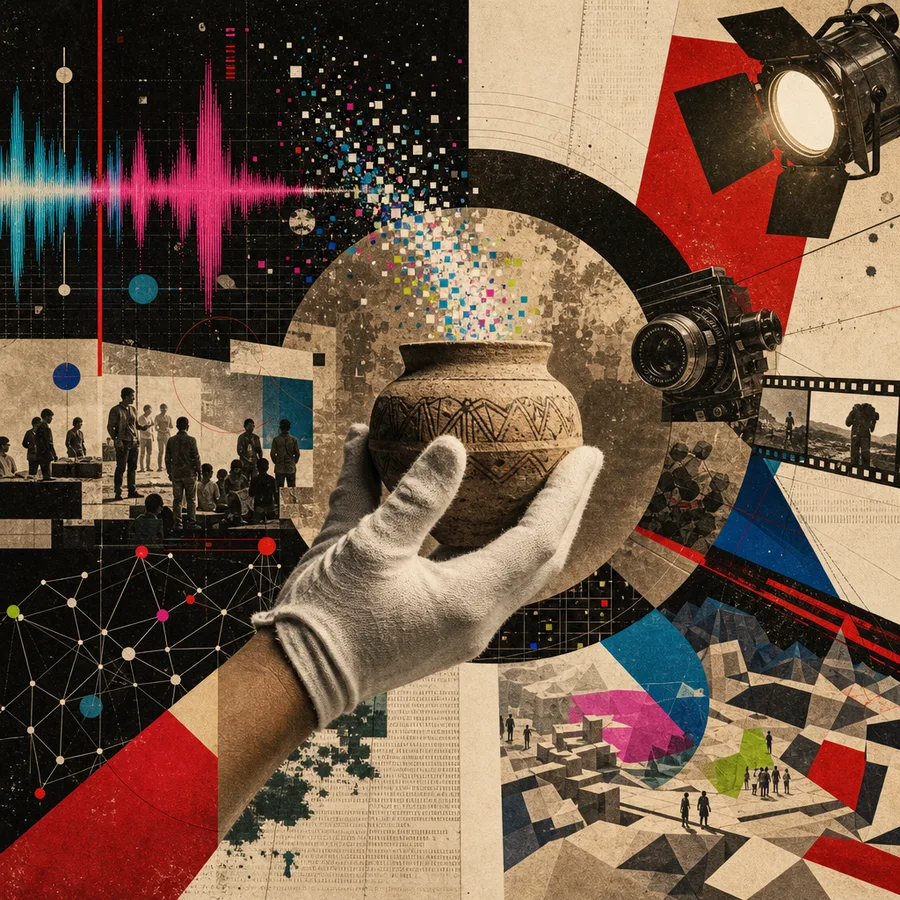
Contemporary media, digital communities, games, artificial intelligence, new urban cultures and emerging forms of transmission.
Music is one of humanity’s oldest forms of memory, expression and connection. From ritual songs and oral traditions to classical composition, popular music, electronic sound and emerging creative forms, it carries identity across generations and borders.
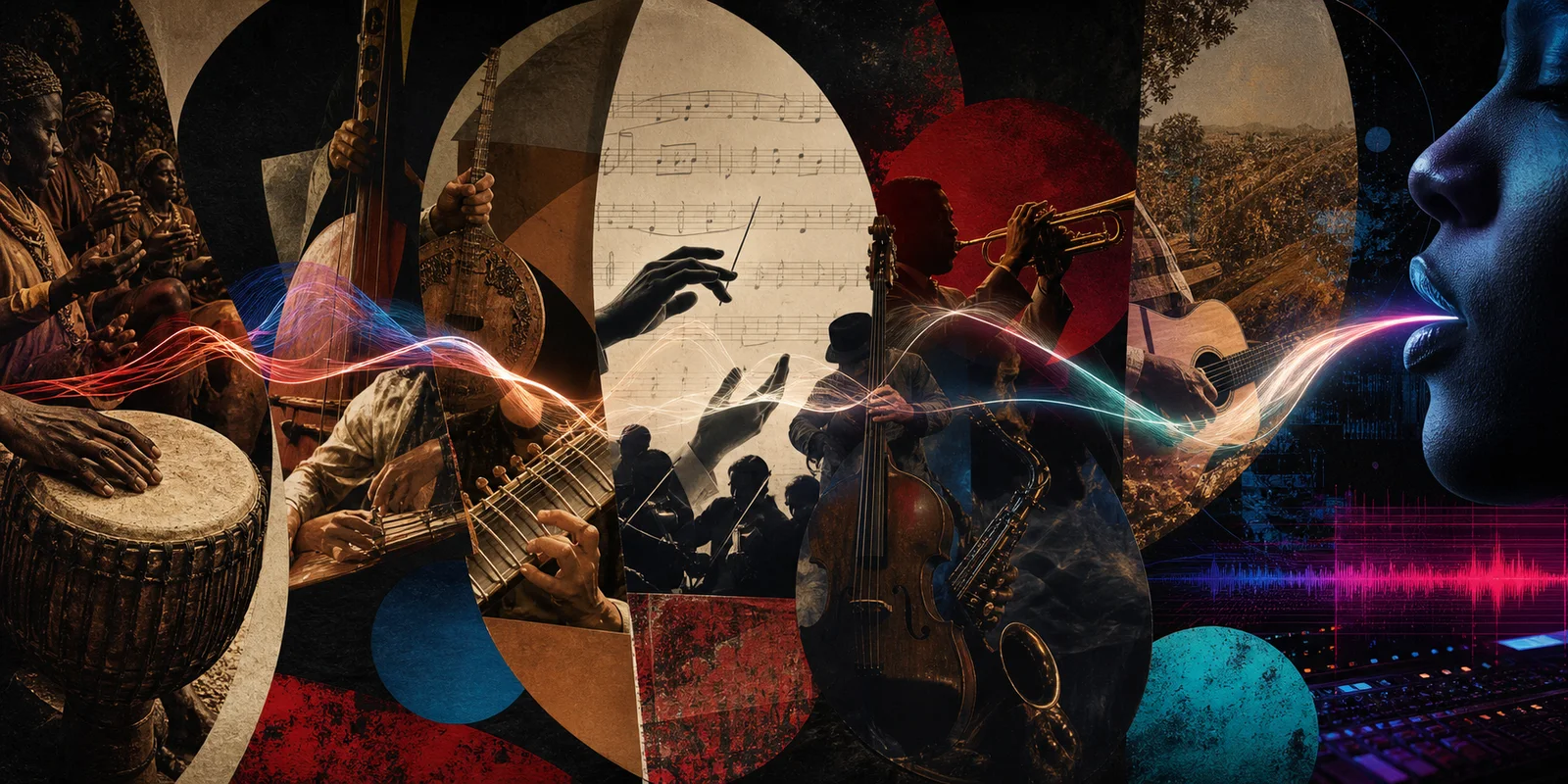
Folk and ethnic traditions, sacred sound, oral transmission, lullabies, work songs, ceremonial and festive music.
Composition, performance, conducting, ensembles, orchestras, musical institutions and the preservation of musical heritage.
Pop, rock, jazz, country, electronic, alternative, experimental, crossover and locally rooted contemporary scenes.
Instruments, voice, education, recording, archives, performances, cultural encounters and possible future forms of talent support.
Culture carries ways of seeing, speaking, remembering, making, caring and living together. It is held not only in monuments and collections, but also in people, relationships, skills, places and everyday choices. GINZBURG CULTURE approaches this inheritance as living: open to interpretation, exchange and responsible renewal.
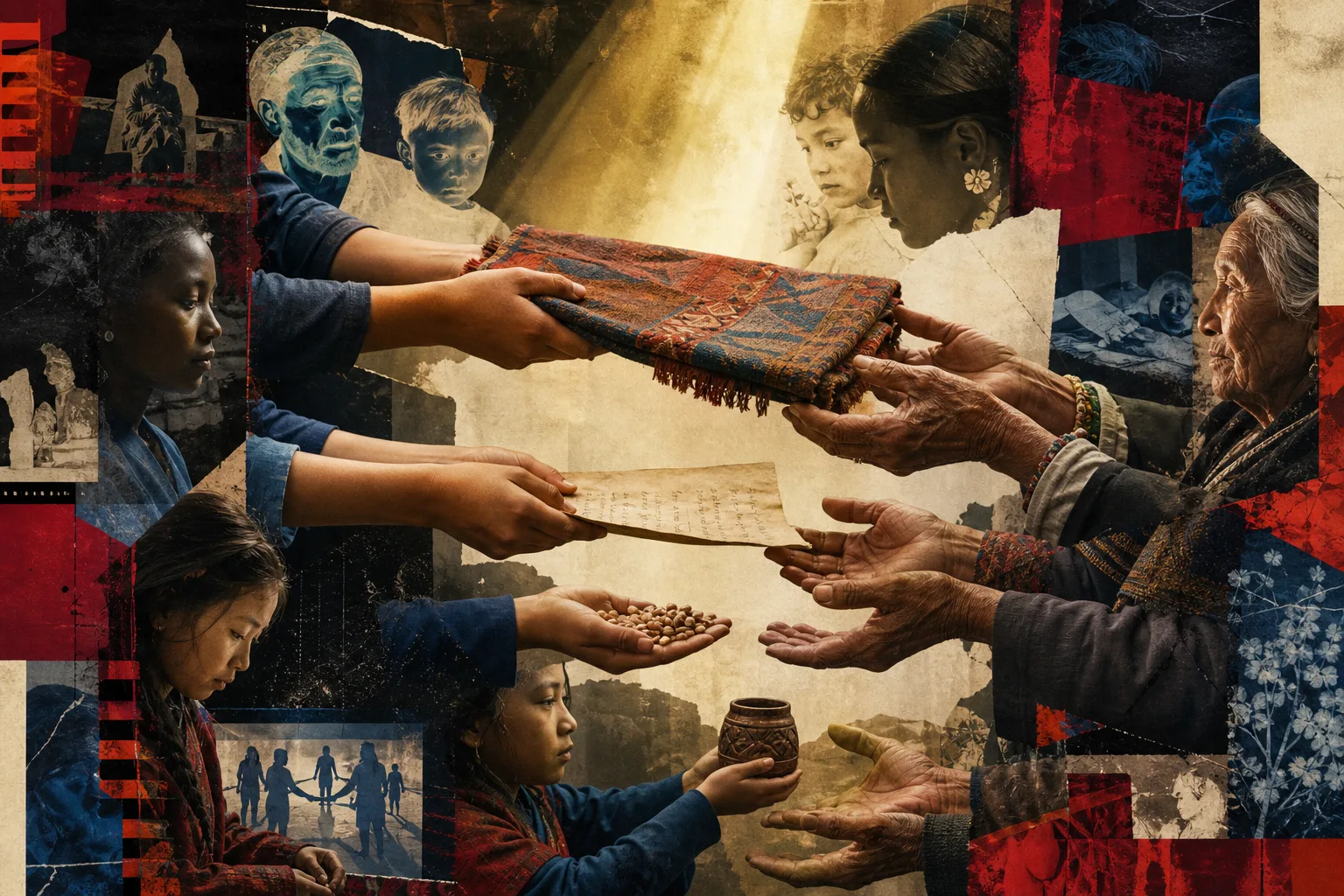
Cultural work begins with human dignity, informed participation, context and respect for the people who carry knowledge.
No territory, tradition or community is reduced to a single identity, period, centre or authorised voice.
Facts, interpretations, memories and future proposals are distinguished clearly; partnerships and programmes are never implied without confirmation.
Preservation and innovation belong in the same continuum when rights, provenance, access and cultural meaning are protected.
Digital technology can expand cultural memory, translation, accessibility and creative practice when it serves people and remains accountable. We explore artificial intelligence and generative AI as present-day tools; AGI and ASI only as research horizons whose cultural, ethical and social implications require careful study.
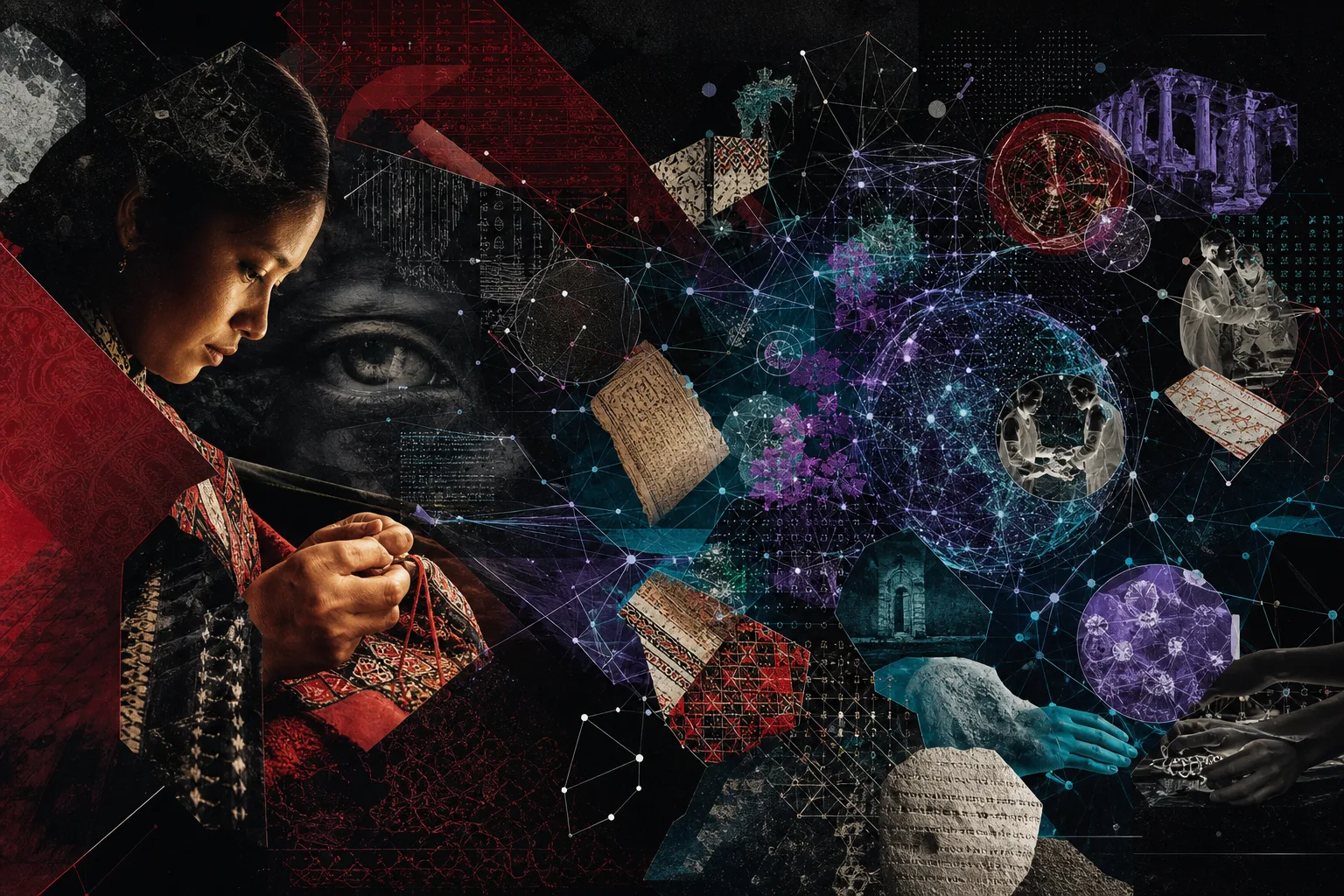
Digitisation, semantic search, knowledge graphs, translation and long-term preservation can make cultural knowledge more accessible and connected.
Generative systems, XR and AR, robotics and new interfaces can support artists, researchers, educators and communities without erasing authorship.
Blockchain, verifiable records, digital identity and smart contracts may support provenance and rights where they are appropriate, lawful and genuinely useful.
Responsible AI requires transparent sources, consent, privacy, accessibility, security, cultural sensitivity and meaningful human oversight.
Movement practices and martial traditions are living cultural systems. They carry memory, language, ethics, ritual and forms of community from one generation to the next.
Dance, gesture and martial traditions emerge from particular peoples, territories, histories and ways of understanding the body.
Rituals, ceremonies, clothing, objects, music and oral traditions give movement its cultural meaning and social place.
Masters, learners, families, schools, museums and archives carry embodied knowledge forward as traditions migrate and change.
These are directions for research, dialogue and future programme development. They do not imply that grants, partnerships or funded programmes currently exist. Each future initiative must receive its own evidence, rights, governance and delivery framework.
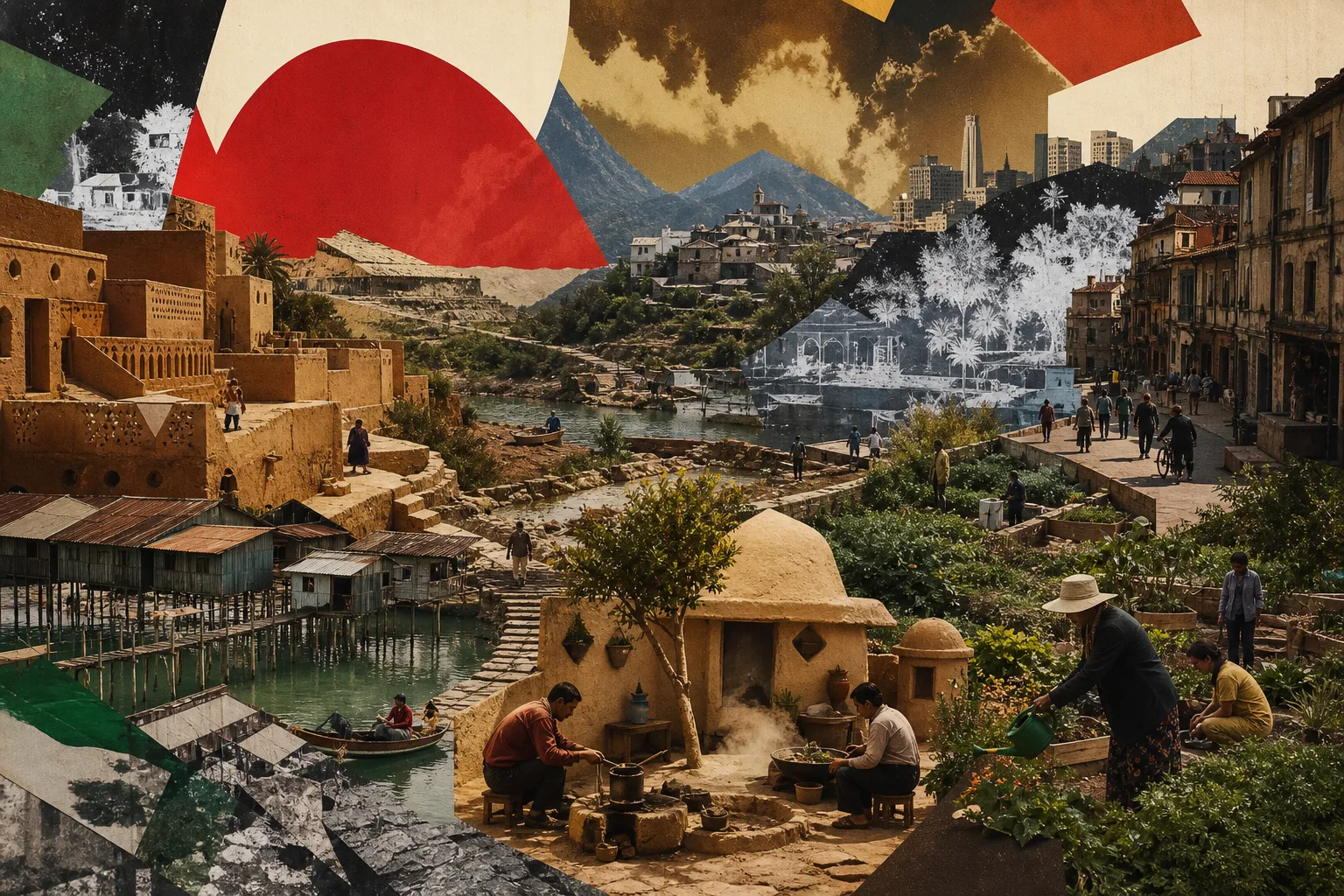
Villages, neighbourhoods, cities, routes and cultural landscapes across the planet—understood as living homes shaped by residents, memory, ecology and change.
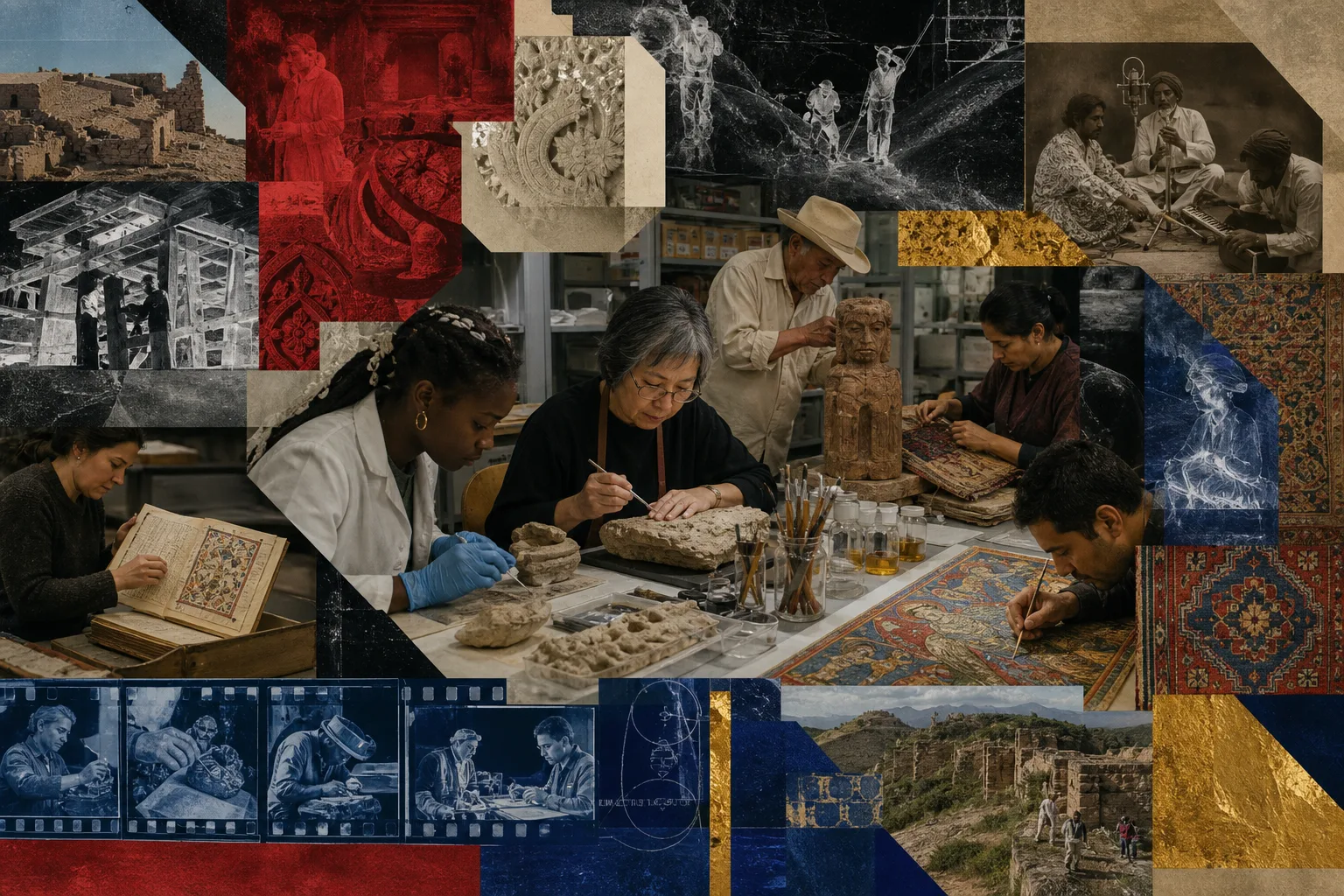
Possible research into conservation, documentation, community stewardship, provenance, restitution contexts and responsible renewal of tangible and intangible heritage.
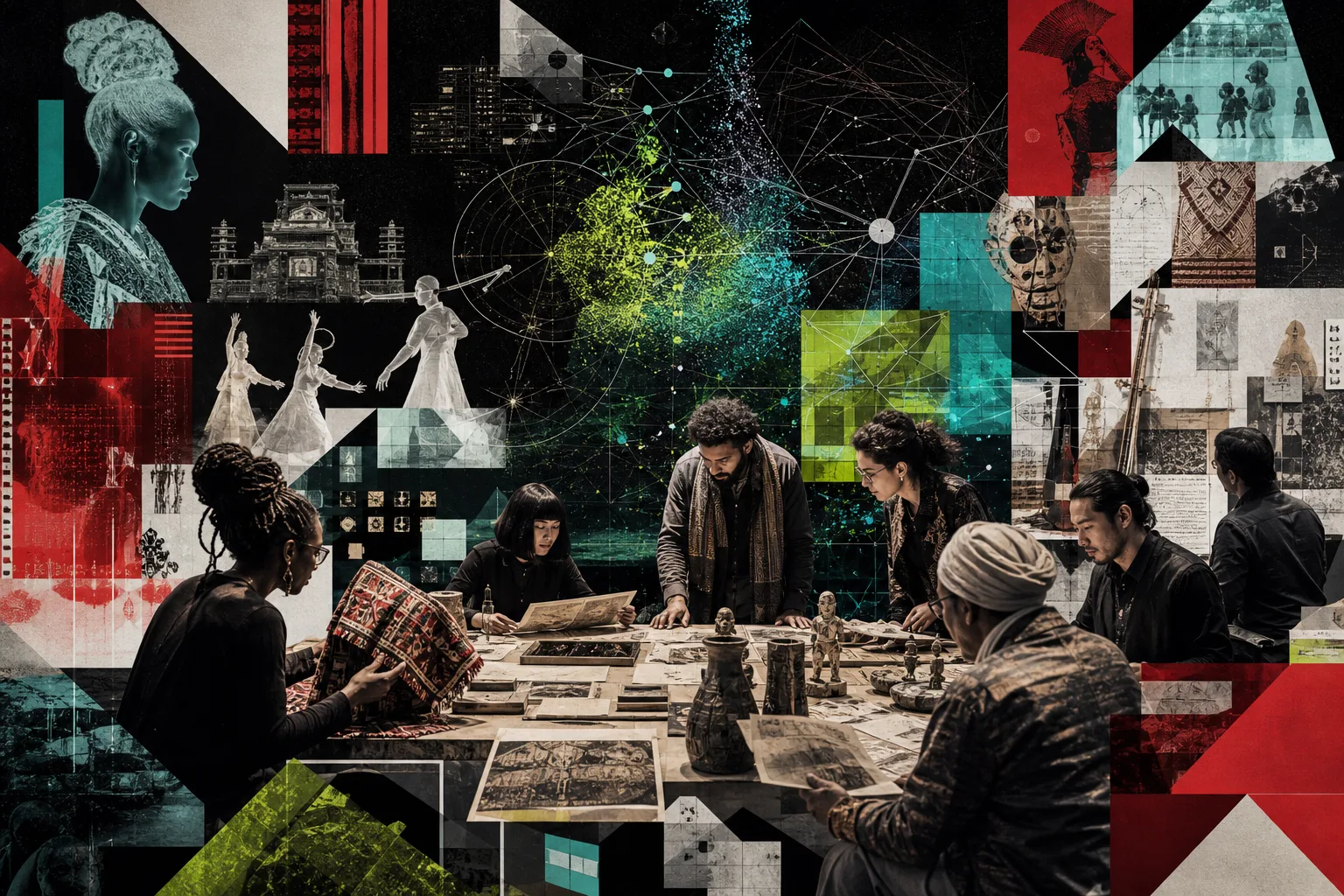
Research at the meeting point of culture, AI, generative systems, XR, robotics, data rights, accessibility, authorship and human-centred design.
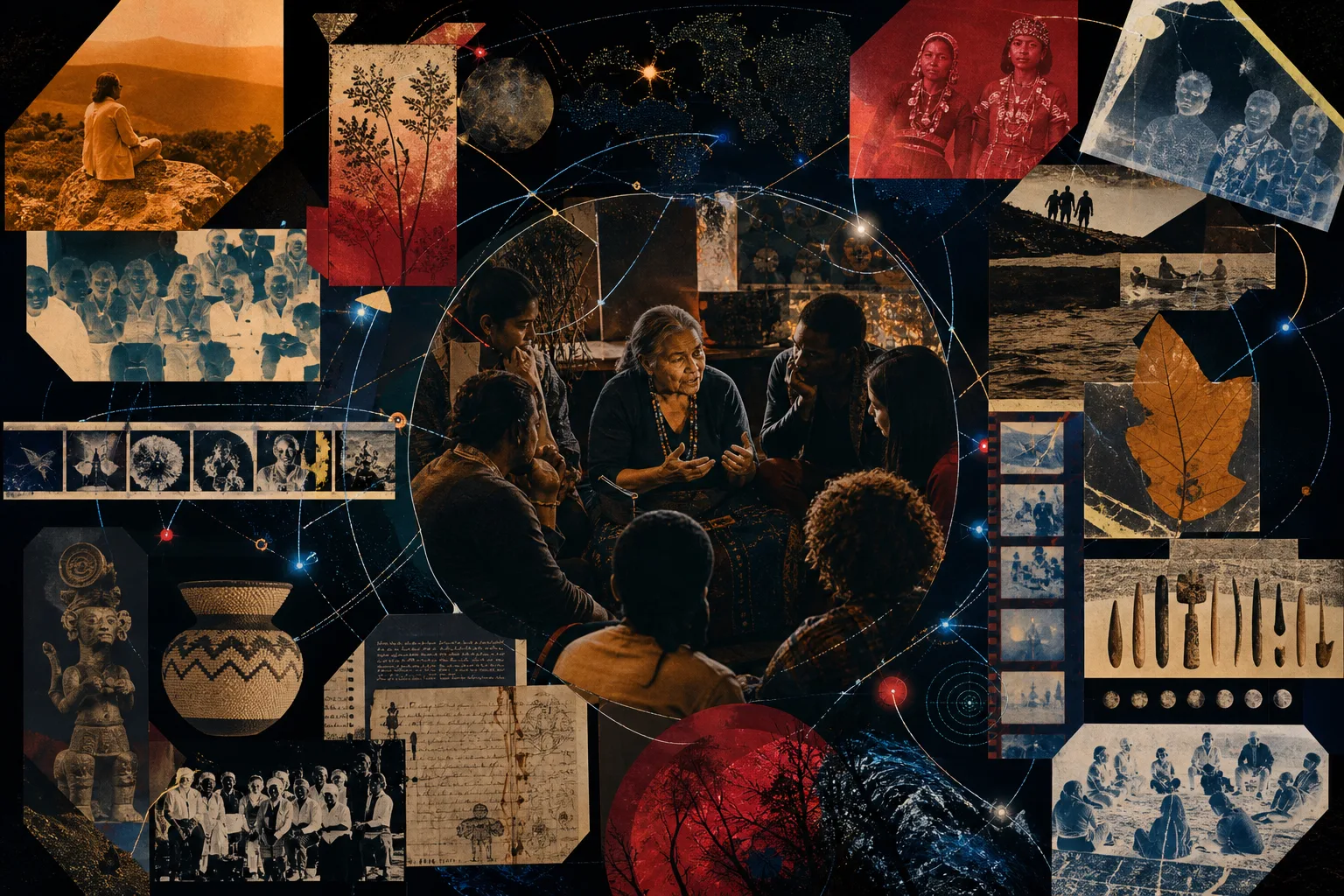
Possible frameworks for multilingual archives, oral histories, cultural data, community access, digital provenance and long-term memory across territories.
Write to us about cultural knowledge, a place, a tradition, a research question, accessibility, technology or a possible collaboration. A message is an invitation to dialogue, not an application to an announced grant programme.